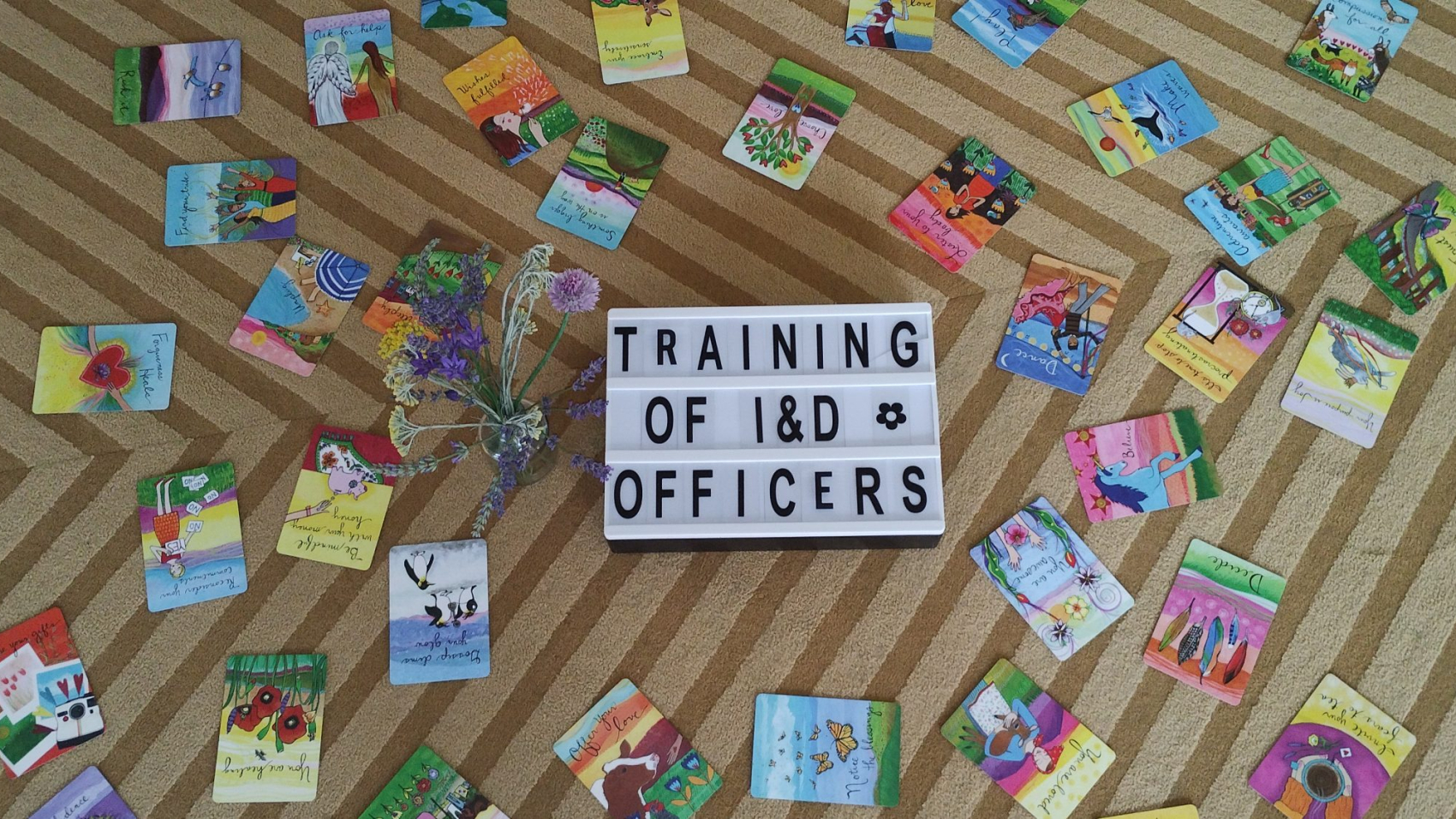
In early October (6th – 8th), SALTO ID ET held an event in Zagreb for ID Officers and other interested NA staff on Getting to Know the SALTO Resources. The event gathered over 20 NA staff and a line of external experts, including people with fewer opportunities, in discussion on the different tools on offer by SALTO to help foster inclusion and diversity in the NAs’ respective fields of work in education and training.
In this month’s edition of SALTO News, you will also find:
- A report from the meeting of the National Agencies’ Participation Network in Tallinn from 14 to 16 October, where 35 network members further shaped their role in supporting democratic participation within Erasmus+ and the European Solidarity Corps.
- An invitation to Gaming as a Tool for Inclusion, a training course offered by the Finnish National Agency for Education that empowers youth work professionals with practical tools to promote inclusion through games. Apply by November 16th!
- A new publication on Inspirational Solidarity Projects by SALTO European Solidarity Corps.
- Other webinars, calls and surveys.
SALTO News is the official newsletter for the SALTO community—a network of 11 resource centres dedicated to promoting and enhancing the Erasmus+ and European Solidarity Corps programmes. You can browse previous editions of the newsletter here!
To stay informed about the most recent developments and never miss an update, be sure to subscribe to SALTO News today!