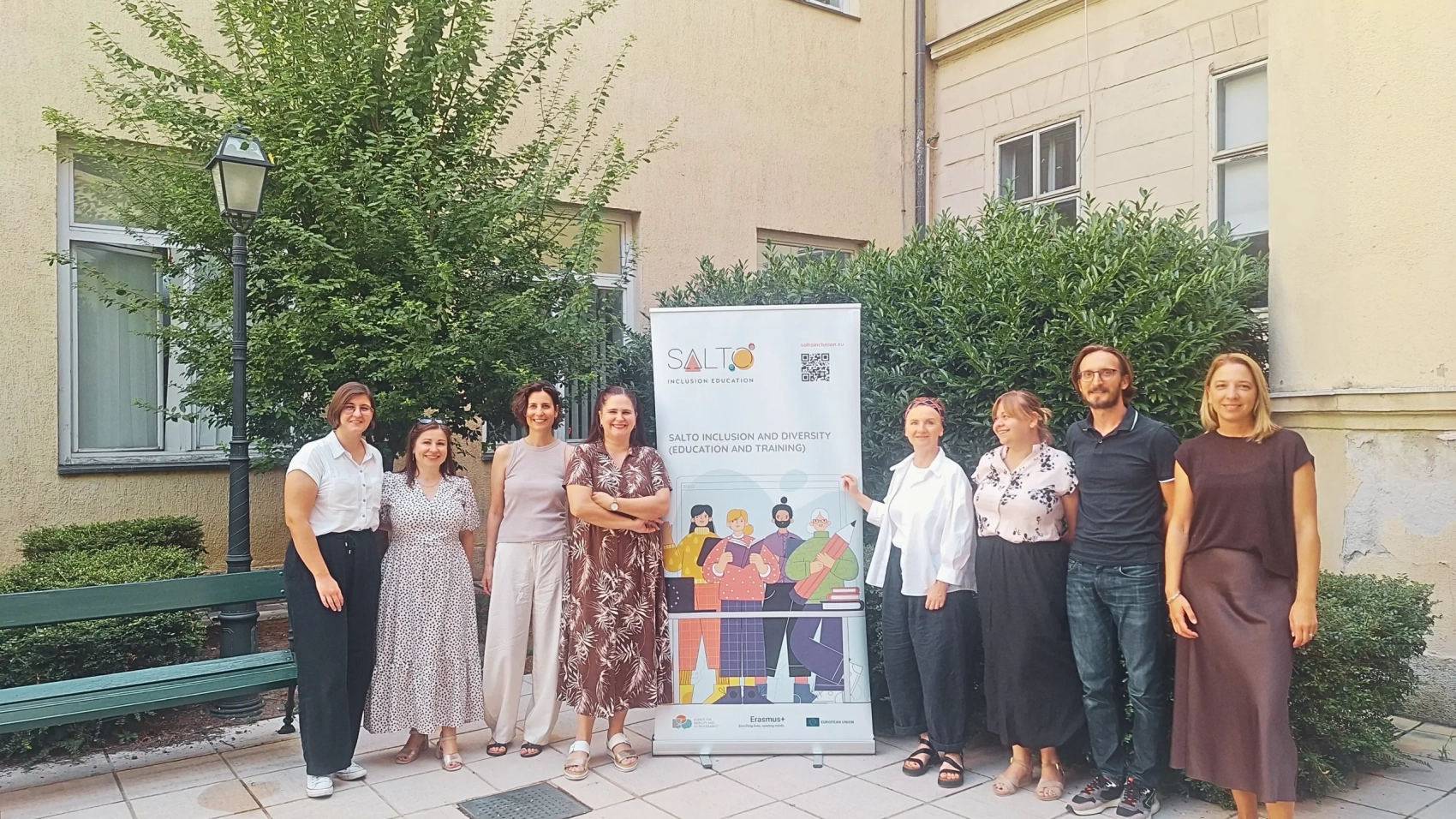
A group of people posing for a joint photo in front of a roll-up banner of the SALTO Resource Centre for Inclusion and Diversity in Education and Training.

Training on “Getting to Know the SALTO Resources”

From 6 to 8 October in Zagreb, the SALTO Resource Centre for Inclusion and Diversity in Education and Training (SALTO ID ET) organised a training course titled “Getting to Know the SALTO Resources.”

The event brought together more than 20 staff members from National Agencies (NAs) for Erasmus+ and the European Solidarity Corps (ESC) across Europe — including Inclusion and Diversity Officers as well as other NA experts interested in advancing inclusion within education and training.

The main objective of the training was to empower NA staff to confidently apply SALTO’s inclusion tools to foster inclusion and diversity (ID) within their respective areas of work.

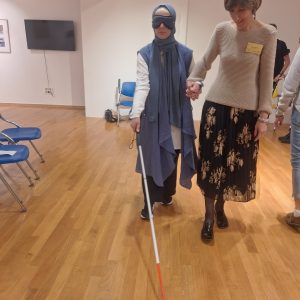
A woman with a headscarf and an eyeband walking with a white cane, alongside a sighted person.

Facilitated by Sunčana Kusturin and Domagoj Kovačić, the sessions used non-formal education methods and experiential learning principles, enabling participants to explore five SALTO ID ET tools through interactive, hands-on activities:

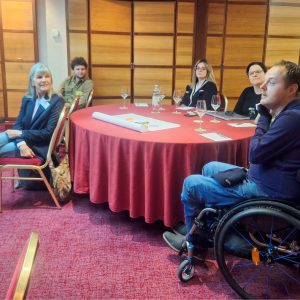
A group of people, sitting around a table talking, one of them in a wheelchair.

Upon completion, participants reported increased confidence in applying these tools in their daily work — from organising inclusive events and creating accessible web content to supporting beneficiaries in addressing inclusion within their Erasmus+ projects. They also enhanced their capacity to assess inclusion efforts in projects and to promote and disseminate SALTO tools to strengthen ID efforts in their respective fields.

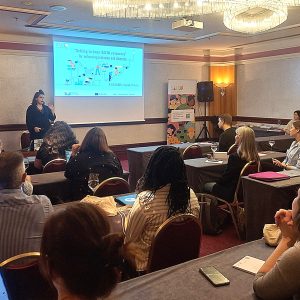
A group of people sitting and listening to a Power Point presentation given by a woman, titled "Getting to Know the SALTO Resources".

The event was opened by Ms. Lidija Živković, Head of SALTO ID ET, and featured sessions with several external experts and practitioners, including four Croatian Inclusion and Diversity Ambassadors:

  • Ms. Brigita Jerić (Slava Raškaj Centre for Education)
  • Prof. Tomislav Pavlović (Velika Ludina Primary School)
  • Prof. Lelia Kiš-Glavaš, PhD (Faculty of Education and Rehabilitation Sciences, Zagreb)
  • Prof. Mladen Tota (Čakovec High School)
  • Prof. Dejana Varnica (Primary school J. Matoš, Vukovar)

Particularly valuable contributions came from resource authors and experiential experts from the field as representatives of civil society:

  • Mr. Antonio Vicković (Centre Up2Date) co-led the session on web accessibility.
  • Prof. Ivana Majcen (ID Officer, CMEPIUS Erasmus+ Slovenia), author of the CLUE tool, presented its practical application.
  • Mr. Marijo Glibo (Centre Up2Date and Theatre of the Blind and Visually Impaired) and Mr. Roman Baštijan (Croatian Union of Youth and Students with Disabilities) facilitated activities on inclusive event planning and implementation.
  • Mr. Martin Bogdan (ACA- Academic Cooperation Association), as author, presented of the Establishing the Role of an Inclusion Officer in a Higher Education Institution: a Practical Guide

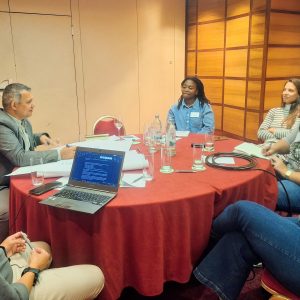
A group of people sitting around a table talking, with one laptop open on the table.

In the informal part of the programme, participants visited Zagreb’s Typhlological Museum, where they experienced an interactive guided tour highlighting the needs of visually impaired persons. The group also visited URIHO, a large centre for professional rehabilitation and employment of persons with disabilities, concluding the visit with a dinner prepared by URIHO employees.

A man and a woman discussing in an office.

Fostering Inclusion & Diversity in Erasmus+: Tools and Cooperation for National Offices

On 29 AprilSALTO Inclusion and Diversity in Education and Training held an online event titled Fostering Inclusion & Diversity in Erasmus+: Tools and Cooperation for National Offices, aimed at Erasmus+ National Offices. The meeting brought together over 30 colleagues from the Mediterranean, Southeast Europe, Eastern Europe, and the Caucasus regions, with the purpose of presenting the available resources of our SALTO Centre and encouraging international cooperation among National Offices. 

The meeting opened with a warm welcome from the Head of SALTO ID ET, Lidija Živković, followed by a presentation on SALTO resources for supporting inclusion and diversity in higher education institutions and schools. Next came a presentation from Ivana Bijažić, International Contact Point and KA171 Programme Officer in the Croatian National Agency, on the top-up criteria in higher education, based on the Croatian example. The final session of the first part of the meeting was concluded by Suad Muhibić from the National Erasmus+ Office in Bosnia and Herzegovina, who presented the work of their office. 

In the second part of the meeting, two examples of good practices were introduced, each representing one of the action types open to participants from third countries not associated to the Programme: Innovating quality assessment tools for pharmacy studies in Bosnia and Herzegovina (IQPharm), a Capacity Building in Higher Education project by the University of Sarajevo, and AI4VET4AI – AI-powered Next Generation of VET, a project that is part of the Centres of Vocational Excellence action type, led by Algebra Bernays University. 

The meeting was officially closed by the facilitator, Domagoj Morić, who thanked everyone for their participation.